Becoming aware of my dreams
Smoked my first joint right before my JC exams kicked off. I was 15 years old, sorry, Mam! From then on, I didn't really smoke much until 5th/6th year. It was during the covid era that I began to smoke by myself, and after coming out of lockdown, I maintained a very small smoking circle.
During the periods when I wasn't smoking, I had tried coke and ecstasy for the first time. I never got fully into them, though; I just wanted to experience what they were like, and at the time, I had plenty of great reasons not to go any further.
Leading up to the early days of covid, I had a few experiences within my dream state that I found quite unusual, and I have never spoken to anyone about them until now. I was able to start making conscious decisions within my dreams, which route to take, having conversations with others I hadn't spoken in the physical world but was aware of their existence. Another dream was that I was flying through the air and I could feel the sensations, choosing which direction to go and where to land.
Bare in mind, I surprisingly wasn't under any influence of drugs or alcohol or had any in my system during these sleeps. So I began to look further into Lucid dreaming.
Lucid dreaming occurs when you become aware that you are dreaming while you are asleep.
So I began to do things that contributed to lucid dreaming.
WILD (Wake-Initiated Lucid Dream): Transition directly from wakefulness into a dream state. Keep your conscious mind awake while your body falls asleep. So I set an alarm around 4/5 in the morning to wake me up. Once awake, I allowed myself to become aware, while my body went back to sleep.
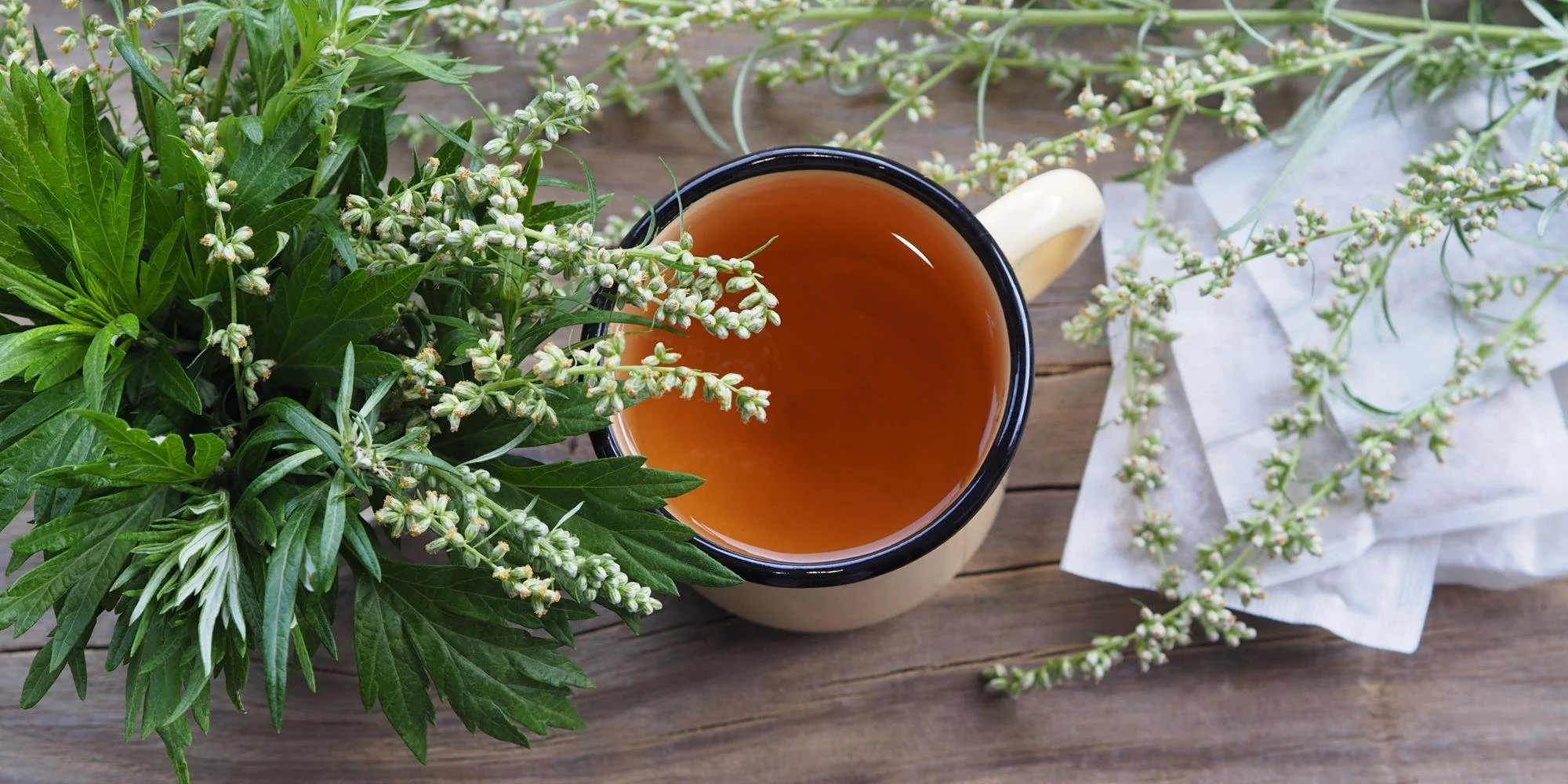
Also, this is when I started to self study herbal medicine and incorporating plant medicine; from this I was introduced to Mugwort tea. It was also at this same time I began looking into astral projection, As I was placing more awareness on the fact we can do a lot more with the mind and a lot more was occurring when we went to sleep.
Understanding Cannabis
Fast-forward a few years, during my heavy days on cannabis, I realised I had stopped experiencing dreams all together. Which I found strange because I usually had many, ranging from lucid to nightmares.
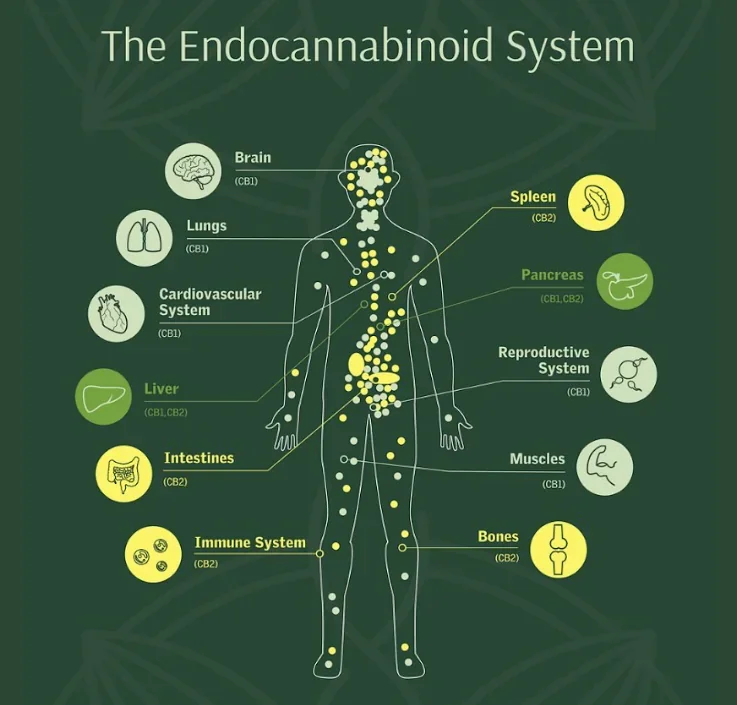
So I looked into cannabis and its effect on the body and mind. I was aware that cannabis ages the brain already, but looking for more dream state info until i came across the endocannabinoid system.
“We have a system that contains cannabinoids!!” I was shocked, to only find this out so later on.
So my understanding of it is that when we smoke a joint or a blunt, We are not putting stuff in our bodies that is alien to us; instead, we are flooding the system receptors with pre-existing chemicals already found within the body. We aren't pumping our bodies with shite; we are just adding additional cannabinoids.
You aren't introducing a totally alien foreign language to your cells; you are introducing a plant compound that speaks the exact native language your body already uses.”
The Molecular "Impostor"
Your body makes endocannabinoids (like anandamide). Cannabis produces phytocannabinoids (plant-based cannabinoids like THC).
THC is a chemical lookalike. It mimics anandamide so perfectly that it can slide right into the exact same "locks" (the CB1 receptors) in your brain.
Because your natural enzymes can't break down plant-based THC the way they effortlessly destroy your own anandamide, the THC sticks around in your brain's receptors for hours.
Instead of a gentle nudge toward balance, you get an amplification of those systems:
Instead of a normal signal to eat because you're hungry, you get the munchies.
Instead of a normal signal to relax after stress, you get the euphoria or "high."
Instead of normal memory filtering, your short-term memory temporarily goes offline.
So while you are technically just boosting a pre-existing internal chemical system, the delivery method of smoking still brings along some unwanted hitchhikers for your respiratory system.
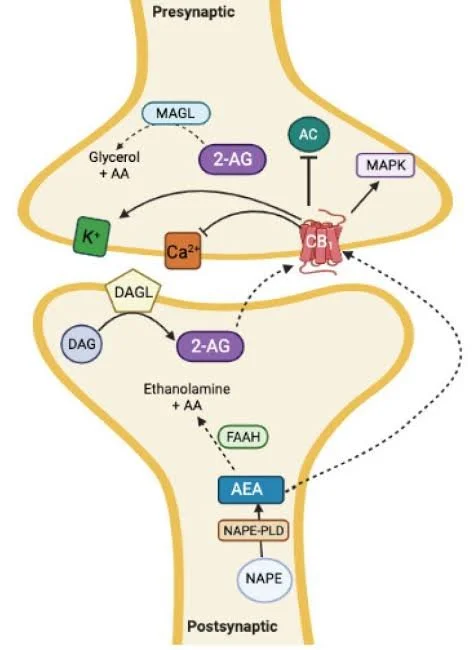
Cellular diagram above, your brain naturally produces endocannabinoids (like AEA and 2-AG) to send signals backward across brain cells to regulate things. When you smoke, THC steps into that exact CB1 receptor slot, flooding the system and altering things like memory, mood, and your dream cycles.
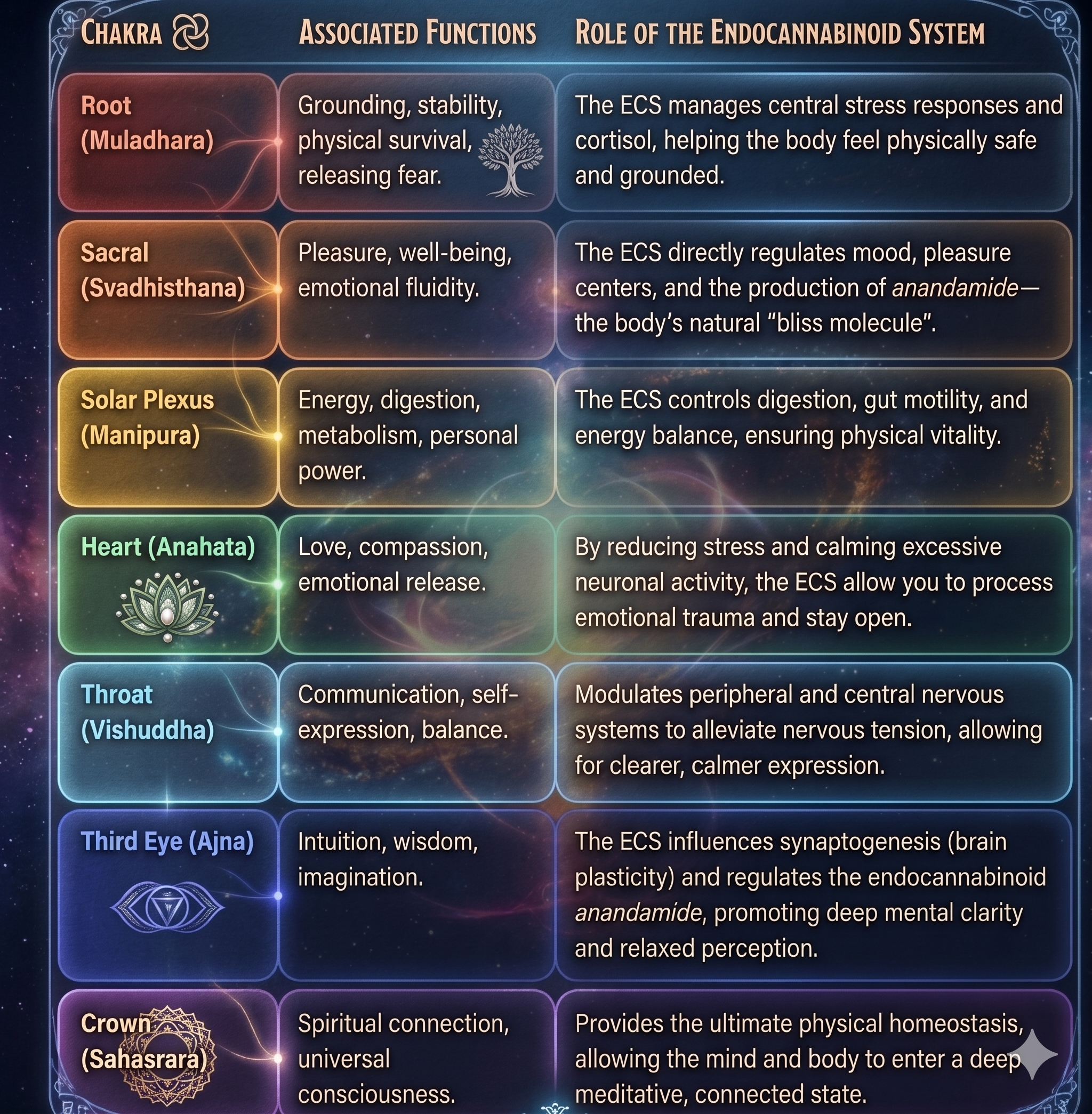
Also, I'm not talking about the weed your dealer grows in his bedroom.
I'm talking about cannabis that grows naturally in the earth and has that connection with Gaia.
Like the connections we have with our environment growing up, they impact us as we develop.
We are a product of our environment.
The environment where we grow plants, veg, fruit actually matters too. Your intention behind the growth is very important. They are a living organism. What you say and thoughts you carry around the plant have a knock-on effect. So fill me up butter cup!!
Cannabis and our Dream state.
I began to dig deeper into both of these. What I learnt is, it's important to understand to not view yourself separately from your dreams. Your dreams can indicate / show you what you need to do or to understand yourself in situations more.
Also, it is important to journal any dreams you can recall.
If you have issues doing dream recall, or remembering your dreams.
Try drinking water before bed and set the mental intention to remember your dreams while drinking it. “When I drink again from this glass of water, I will recall my dreams.”
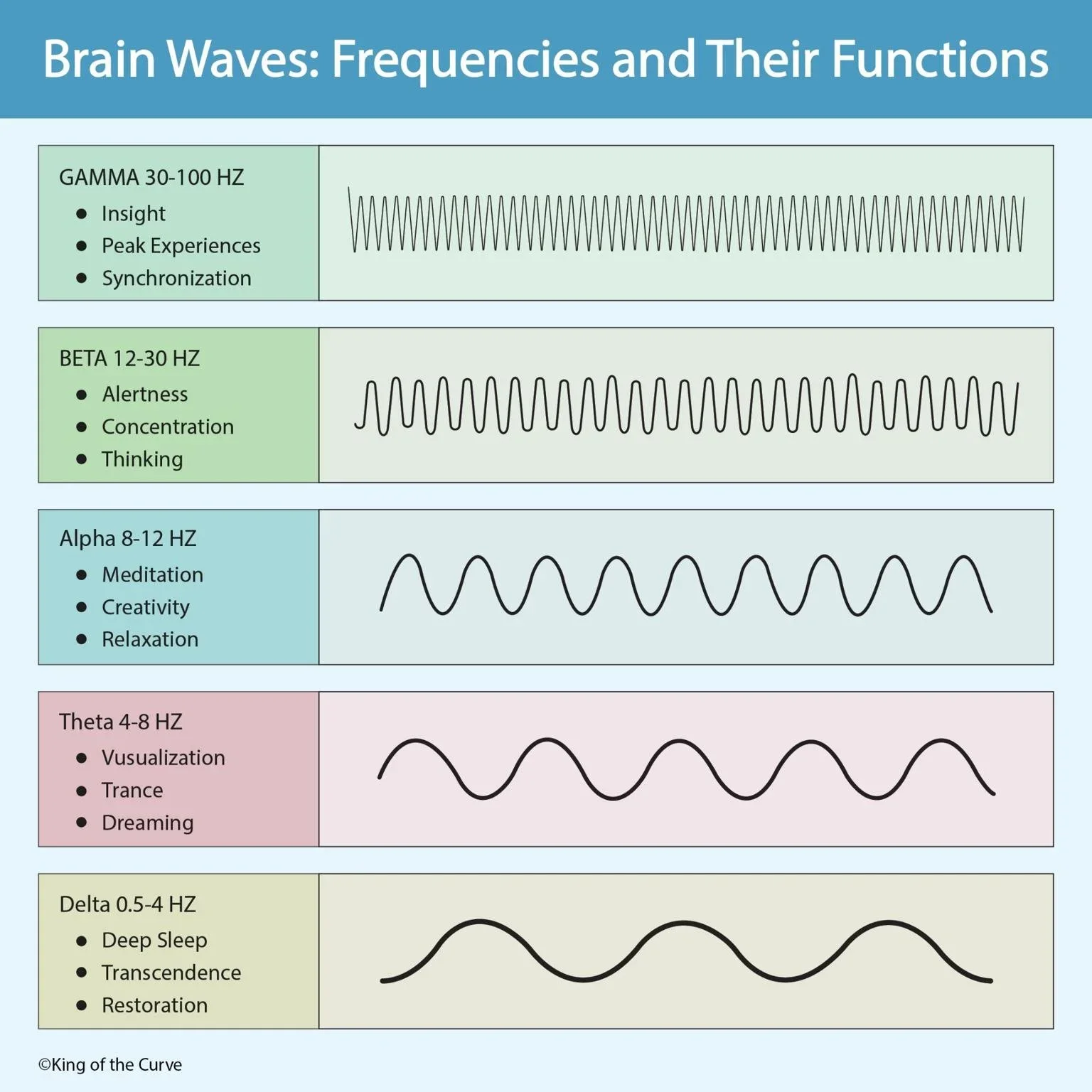
What I mean by not viewing yourself separately from your dreams, is that I understood why I stopped receiving dreams. Because I was smoking so much cannabis every day, I began to become part of my dream state. That “mellowed-out” feeling is you actually being in an alternate brain wave frequency , the same brain wave frequency you are in while you sleep! But you are consciously aware.
Cannabis and Meditation.
As I was using cannabis for meditation, it became clearer to me that it’s a healing tool—one that creates space for you to sit with yourself and ask some very deep, intimate questions about life.
Have you ever been out socially smoking and, all of a sudden, it hits you like a thousand bricks? You begin to go either "white" or "green." You think, Right, I have to go, before I start violently getting sick everywhere, or the world starts to spin. This happens because things within you are rising to the surface. In that moment, you can't give yourself the space to process them because you are out with friends or doing things that distract you from turning inward—or perhaps you just aren't familiar with the process yet.
Cannabis can temporarily lower the mental defenses that keep repressed memories, hidden emotions, or disconnected parts of a person's psyche separate from their everyday conscious awareness. When a person experiences overwhelming stress or trauma, the brain often uses dissociation as a survival or coping mechanism. It builds a metaphorical wall—an "amnesia barrier"—around that memory or the emotional pain so the person can keep functioning in daily life. You might not completely forget what happened, but the emotional reality of it is tucked away deep in the subconscious where you can't easily access it.
THC changes how different networks in the brain communicate. It quiets down your Default Mode Network (DMN), which is essentially the brain's manager responsible for maintaining your normal sense of self, your habit patterns, and your psychological defense mechanisms. When this network quiets down, memories, buried bodily sensations, or deeply repressed emotions that were safely locked behind this amnesia barrier can suddenly drift into your conscious mind. They rise to the surface, enabling you to address these deep, intimate emotions from your past.
However, if those protective barriers drop too fast or without a safe environment, it can lead to intense panic, paranoia, or overwhelming flashbacks. Because the mind builds these barriers for a reason, removing them suddenly can force a person to confront trauma before they are ready to process it. This all occurs within the subconscious mind. Unless you know how to consciously access it on command and navigate it, it can easily take you on a one way trip to hell. Yet, the things that rise are exactly what you need to heal. Once you face them, you can truly begin to work with the subconscious mind. This process is incredibly intense and should not be rushed; you have to be patient and avoid forcing the journey.
I began my inward healing journey around 2022, and I am still healing to this very moment. Over those years, I found it difficult to keep using cannabis and remain functional in my everyday life, so I had to let it go as it took over quite easily. I asked myself, There must be a more natural way I can do this without affecting my brain in a negative way. Then, I came across Paramahansa Yogananda and Kriya Yoga.
Alpha Waves (8–12 Hz): This is the bridge between your conscious thinking mind and your subconscious. It is the frequency of deep relaxation, light meditation, and daydreaming.
Theta Waves (4–8 Hz): This is the "twilight" zone—the exact frequency of vivid dreaming, deep meditation, and the state you drift into right as you fall asleep.
When you consume cannabis, neuroscientists have found that it significantly increases Alpha and Theta wave activity while you are wide awake. That is exactly why it feels like an alternate state of consciousness: you are essentially forcing your waking brain to operate on the same frequencies it usually reserves for deep reflection, creativity, and early-stage sleep.
Clarity; I’m not saying to replace your therapy with cannabis. I’m highlighting the sides and effects of the plant that are rarely spoken about. It’s all about intention when it comes to cannabis and everything else in your life.
It was beneficial as certain emotions and feelings from the past had risen to the surface prior to smoking that day. I can say if it wasn't for the cannabis, I wouldn't have gotten to verbally express or tap into a much deeper version of my life experiences—and the same goes for having a safe environment during counselling.
If you want to heal, write down the things within your control that you want to change. The plant will highlight these aspects you’ve written out. It is a teacher of self reflection and inner truth, that requires you to go deep and intimate with the self.
Or ask yourself: "What intention do I have with this alcoholic drink?" There’s a physiological reason why you do everything in this life. Getting to that root cause will open you up to the truth you're seeking. There is always a cause and effect; understand the cause and reverse engineer the effect.
Can you rush a child in the womb?
Than make peace and patience with your journey.
Titration: in a Therapeutic Context;
The gentle, gradual process of healing trauma or processing intense emotions in small, manageable doses. This principle ensures that the nervous system is not overwhelmed, allowing for deep integration. It opposes the rush to heal, encouraging a patient and compassionate approach to the Self.